-
-
CALL US NOW
+91 78600 24700

Hospitals are among the most critical institutions in society, serving patients and supporting public health daily. However, with these essential services comes the responsibility of managing a large volume of wastewater that contains a mix of chemicals, pathogens, and pharmaceutical residues. This is where the STP Plant for Hospitals becomes an indispensable solution. It is not only a guarantee of security for the environment but also aids in making sure that hospitals comply with the legal requirements and maintain hygiene standards.
In this post, we'll examine the reasons why establishing the STP plant for Hospitals is crucial, as well as the types of services that are offered, the best way to choose the best plant, why it is essential to hire experts, and other essential aspects to take into consideration.
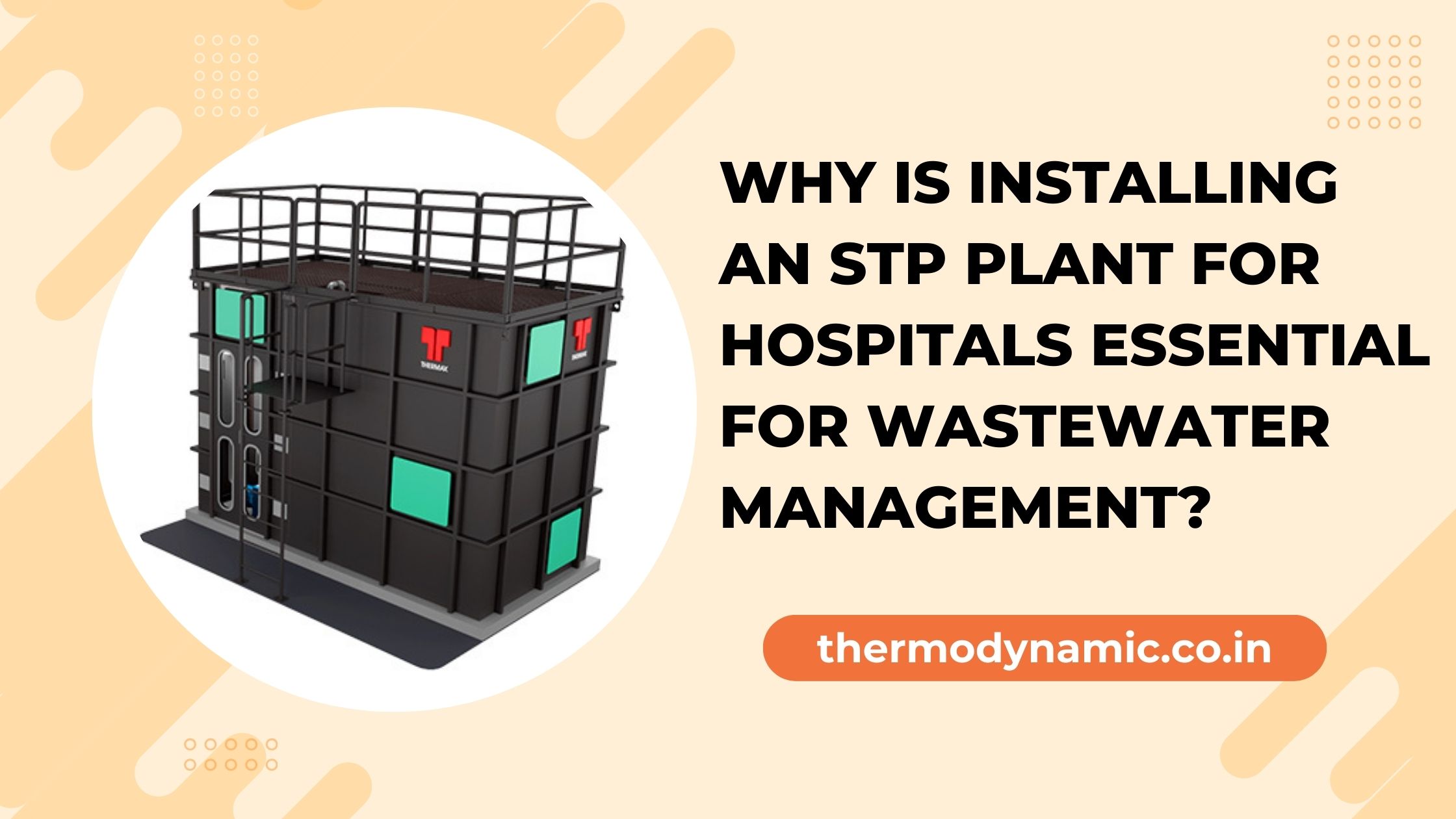
A STP (Sewage Treatment Plant) designed specifically for hospitals is a device specifically designed to treat the waste generated by hospitals. Hospital wastewater differs from sewage that is used for domestic purposes because it is contaminated by infectious substances, chemical compounds, pharmaceutical,s and lab residues. A specially-designed STP plant for hospitals makes sure that these pollutants are treated effectively before discharge, safeguarding the health of the public and the environment.
If a hospital decides to install the STP facility, it normally has a range of services in place to ensure that the plant runs smoothly:
Each hospital has different volumes of wastewater and features. The facility is planned according to the number of departments, beds, and the expected load of sewage.
A professional installation will ensure that the plant is operating efficiently from day one.
Regular monitoring, cleaning, and repairs are provided to ensure that the plant is operating effectively.
Older technology can be modernized using modern technology, such as MBBR, as well as MB,R to boost efficiency.
STP providers assist hospitals with meeting Pollution Control Board (PCB) and environmental compliance requirements.
When it comes to offering dependable and effective STP Plant for Hospitals solutions, Thermodynamic Services has really set the standard. Their proficiency in developing and putting into place sewage treatment systems especially suited for hospitals guarantees excellent wastewater management and total adherence to environmental regulations. They make hospital wastewater treatment sustainable and hassle-free with cutting-edge technology, expert execution, and committed after-sales support. Selecting Thermodynamic Services entails working with a business that prioritizes long-term performance, environmental sustainability, and public health. Thermodynamic Services is without a doubt, the most reputable name for any healthcare facility searching for the best STP Plant for Hospitals.
Get in touch with us today to install a reliable STP Plant for Hospitals.
The hospital's wastewater that is not properly treated can carry diseases and infections. STPs prevent this by eliminating pathogens.
The wastewater from hospitals is typically contaminated with harmful chemicals. An STP neutralizes these chemicals before discharge, safeguarding groundwater as well as rivers.
The government regulations require hospitals to have sewer treatment systems. Failure to comply could result in penalties and even the closing of.
Water treated is reusable for gardening, toilet flushing, gardening, and cooling towers, which reduces consumption of freshwater.
Hospitals that have green systems improve their standing as responsible and socially conscious institutions.
Selecting the appropriate STP plant for hospitals must be carefully considered:
Assess how many beds as well as the expected volume of wastewater before making a capacity decision.
Select from MBBR, MBR, or SBR depending on the treatment requirements and availability of space, as well as budget.
Examine the space available to install and design the layout according to it.
Check that the facility complies with local PCB standards.
Choose new, energy-saving technologies that help reduce operating expenses.
Select easy-to-use plants that require the least amount of manual effort.
While some hospitals may try to manage their sewage treatment themselves, employing professional service providers offers several benefits:
Planning for maintenance and installation is crucial. While initial costs could be high, the benefits over time exceed them.
Operators of the plant must be taught to run everyday operations.
An efficient power source and backup are essential to ensure continuous operation.
Quality of the water tests should be conducted frequently to ensure that the water quality tests are in compliance.
Health facilities must take into consideration future growth in patients and wastewater demand prior to finalizing capacity.
Q1. Why do hospitals need a separate STP instead of connecting to municipal sewage?
Hospitals generate wastewater that is highly contaminated with pathogens and chemicals. Municipal sewage systems may not be designed to handle such loads, making a dedicated STP Plant for Hospitals essential.
Q2. Can treated water from a hospital STP be reused?
Yes, treated water can be reused for non-potable applications like gardening, toilet flushing, and cooling systems, reducing freshwater dependency.
Q3. What is the average lifespan of a hospital STP?
With proper maintenance, an STP Plant for Hospitals can last 15–20 years or more.
Q4. Is installing an STP mandatory for all hospitals?
Yes, according tothe Pollution Control Board and environmental norms, hospitals above a certain capacity must install an STP to avoid legal consequences.
Q5. How often does an STP require maintenance?
Routine maintenance is recommended every month, with annual overhauls to ensure smooth operation.
The installation of an STP plant for hospitals isn't just an administrative requirement, but an essential step towards ensuring security for public health, as well as environmental sustainability and the reputation of a hospital. From effective water management to savings from water reuse, the benefits are many. Hospitals need to choose appropriate technology, employ professionals, and ensure regular maintenance to ensure long-term success. When they invest in an STP plant, hospitals are taking the right step towards creating an environmentally sustainable and healthier future.
Read Mor : Why Is Installing an STP Plant for Hospitals Essential for Wastewater Management?
