-
-
CALL US NOW
+91 78600 24700

Hospitals are vital to the preservation of human health, but they also generate large amounts of wastewater that is laden with harmful chemicals, pathogens, and pharmaceuticals. If left untreated, this medical wastewater can pose serious health and environmental risks. A STP plant for hospitals is essential. Sewage Treatment Plants are designed to clean this effluent before it's released into the environment or reused.
This blog explores why a STP plant for hospitals is not only a regulatory requirement but also an important component of sustainable healthcare infrastructure.
Hospital wastewater includes:
The effluent can contain a mixture of radioactive materials, pharmaceutical residues, and heavy metals. Untreated wastes can contaminate and affect aquatic life as well as spread infectious diseases.
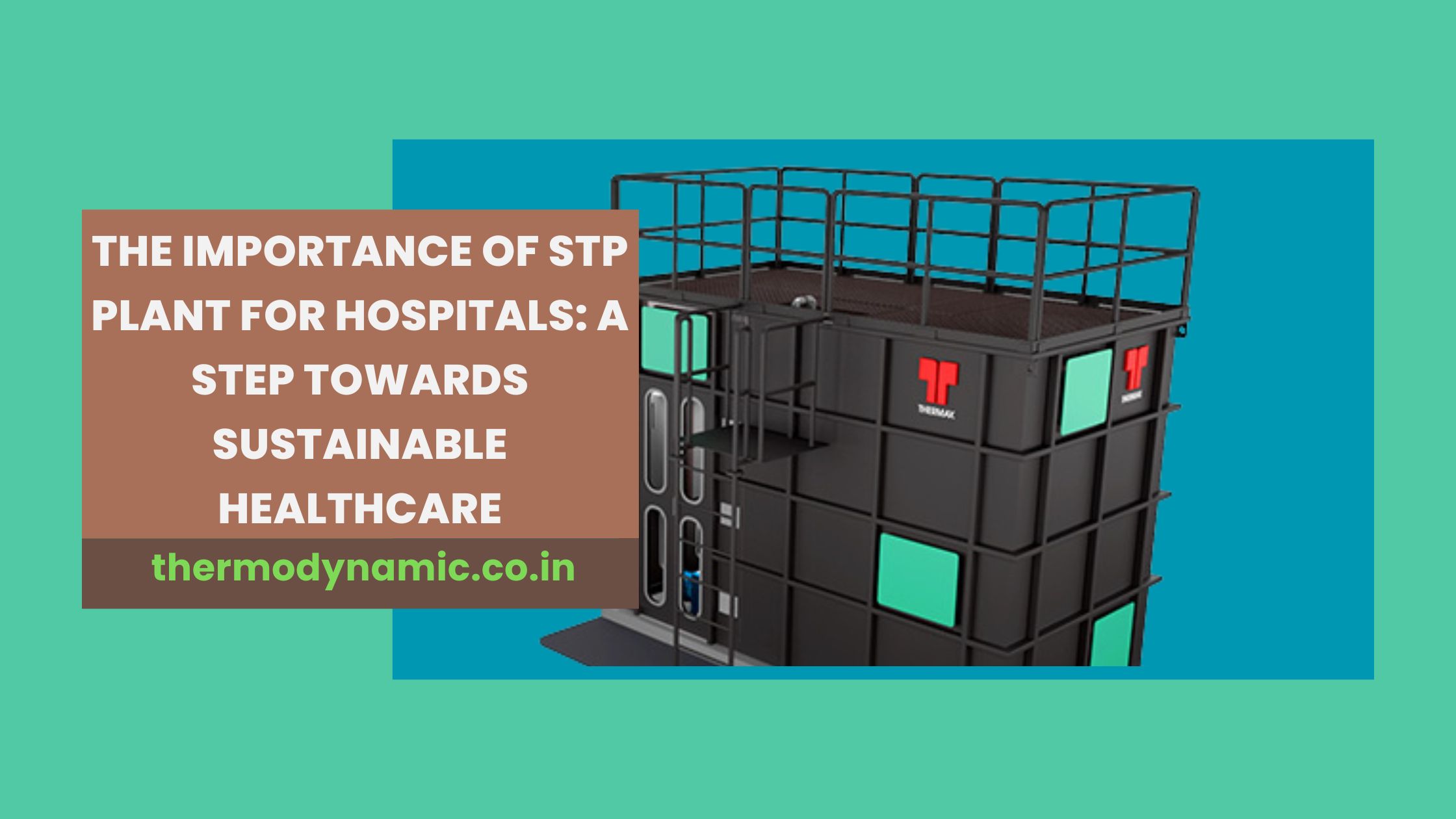
An STP plant for a hospital is designed to purify and treat hospital-generated sewage. These plants employ a combination of physical, chemical, and biological processes to remove pollutants from wastewater. The water treated can be discharged safely into municipal drainage systems or reused for non-potable uses like toilet flushing or cooling towers.
The following components are included in a standard STP plant for hospitals:
Indian regulations, such as the Central Pollution Control Board's (CPCB), require hospitals with over 100 beds to install an STP system. By installing an STP plant for hospitals, you can ensure compliance with the laws and avoid fines.
The treated water from STPs reduces the environmental contamination. It prevents groundwater contamination and prevents water bodies in the vicinity from becoming dump sites for hazardous waste.
The effluent from hospitals is often contaminated with pathogens, harmful microbes, and other contaminants. STPs eliminate these health risks, protecting the communities that live around hospitals.
Water is a valuable resource. STPs enable hospitals to recycle treated drinking water for other purposes. This reduces dependence on freshwater and promotes sustainable water usage.
The initial cost of an STP plant for hospitals might seem high, but it will result in savings over the long term. Financial efficiency is achieved by reducing water bills, lowering waste management costs, and avoiding regulatory penalties.
Thermodynamic Services is a reliable and innovative partner in the design and delivery of efficient STP plant for hospitals. Their experience in designing tailored sewage solutions ensures healthcare facilities meet environmental and safety standards. Thermodynamic Services is known for consistently exceeding expectations with a focus on sustainability, quality, and compliance. The STP plants for hospitals are not only technologically sophisticated but also easy to maintain, making them a preferred choice for hospitals throughout the region.
Get in touch with us today!
In order to improve treatment efficiency, STPs in hospitals are using a number of advanced technologies:
These technologies are compact and energy-efficient. They can also meet stringent standards for wastewater quality. Moreover, they offer ease of operation and lower maintenance requirements--important factors for busy healthcare facilities.
It's important to take into account factors such as the size of the STP plant for hospitals and the wastewater volume. Also, the budget, the available space, future expansion plans, and the amount of wastewater. A reliable STP manufacturer or supplier will ensure a smooth process, from installation and maintenance to compliance support.
Healthcare institutions need to set an example in an era where environmental responsibility has become a part of every industry. A STP plant for hospitals ensures compliance with regulations, but also reinforces a hospital's commitment to health and the environment. This is a crucial investment to protect public health and promote responsible resource use.
In order to achieve sustainable operations and ensure the safety of their communities, hospitals must install a STP system that is of high quality. They contribute to the healing of individuals and to the preservation of our planet.
Read More: The Importance of STP Plant for Hospitals: A Step Towards Sustainable Healthcare
