-
-
CALL US NOW
+91 78600 24700

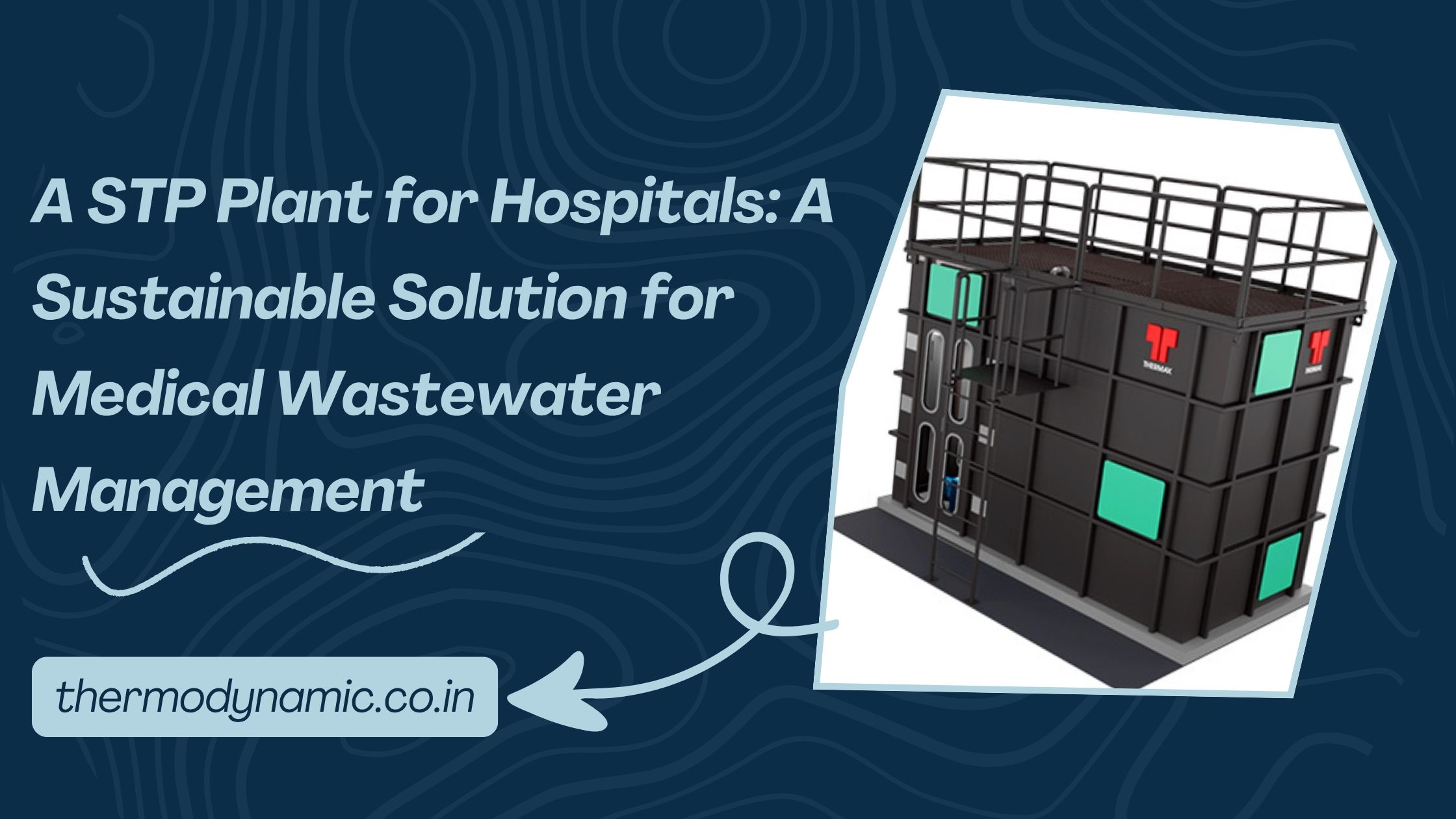
Hospitals are focused not only on saving lives, but also on maintaining high standards for hygiene, environmental sustainability and regulatory compliance. Water management is one area that has a direct impact on all of these factors. The increasing pressure on healthcare facilities has made managing their effluent a major challenge. This is where a STP plant for hospitals (Sewage Treatment Plant) plays a crucial role.
Hospitals generate large volumes of wastewater daily. The wastewater generated by hospitals includes effluents from laboratories, sewage from toilets, wastes from operating theatres and water used to wash medical instruments, sheets, and other equipment. Hospital wastewater, unlike domestic sewage is more complex. It contains pathogens as well as organic matter, chemicals and pharmaceutical residues.
Untreated wastewater can pollute bodies of water, contaminate the groundwater and pose serious health hazards to the community. Implementing an STP plant for hospitals does not only meet regulatory requirements, but also moral and environmental obligations.
A STP (Sewage Treatment Plant), is an installation designed to purify and treat wastewater in order to be able to reuse it or discharge it into the environment. The plant uses physical chemical and biological processes to remove harmful pollutants from the sewage water.
STPs in hospitals are specifically designed to neutralize harmful microbes or toxic chemicals before releasing the treated water.
The following components are included in a typical STP plant for hospitals:
Removes large particles such as plastics and cloth from wastewater.
Equilibrates the flow of wastewater and its load to ensure efficient treatment.
Facilitates biological degradation of organic material through aerobic bacteria.
Allows the solids to settle, forming sludge as the clear water continues on.
Uses ozone, chlorine or UV rays to kill microorganisms.
Manages disposal or treatment for the leftover sludge.
This tank stores the clean water to be used in flushing systems, cooling systems, gardening and other uses.
Adheres pollution control standards and reduces environmental footprints of hospitals.
Prevents infectious diseases from spreading through untreated sewage.
Trained water can be used for applications other than potable, which reduces freshwater consumption.
Despite the upfront cost, STPs can save hospitals money over time by reducing water bills and avoiding fines.
Promotes responsible waste management in hospitals to support green initiatives.
Thermodynamic Services is a name that has become synonymous with high-quality STP plant for hospitals in the region. Their commitment to environmental standards and their understanding of hospital wastewater challenges sets them apart. Thermodynamic Services delivers sustainable and reliable solutions, whether it's to ensure safe disposal or enable efficient water reuse. Thermodynamic Services, a leading provider of STP plants for hospitals in the healthcare industry, is a partner that can deliver excellence and ensure compliance.
Get in touch with usa today!
There are several important factors to consider when installing a STP plant for hospitals:
It is important to maintain the STP plant for hospitals regularly in order to keep it running efficiently. The hospitals must have trained personnel monitor the pH level, Chemical Oxygen Demand and Biological Oxygen Demand of treated water. Audits and inspections are also important to keep the system current and compliant.
The hospitals play an important role in the society and are responsible for minimizing their impact on the environment. In order to achieve this goal, installing an STP plant for hospitals will be a crucial step. This not only enables hospitals to manage wastewater efficiently, but it also shows their commitment to public health both inside and outside the hospital.
Every hospital, no matter its size, should invest in an STP system that is well designed, as sustainability has become a more important part of the operation. The healthcare facility, environment and community all benefit.
Read More: A STP Plant for Hospitals: A Sustainable Solution for Medical Wastewater Management
